2026 World Cup Stadiums
The 2026 FIFA World Cup will be the biggest football tournament in history, featuring 48 teams, 104 matches and a record 16 host cities across the United States, Canada and Mexico.
It will also be the first World Cup jointly hosted by three nations, creating a continent-wide festival of football from Vancouver and Toronto to Mexico City and Miami.
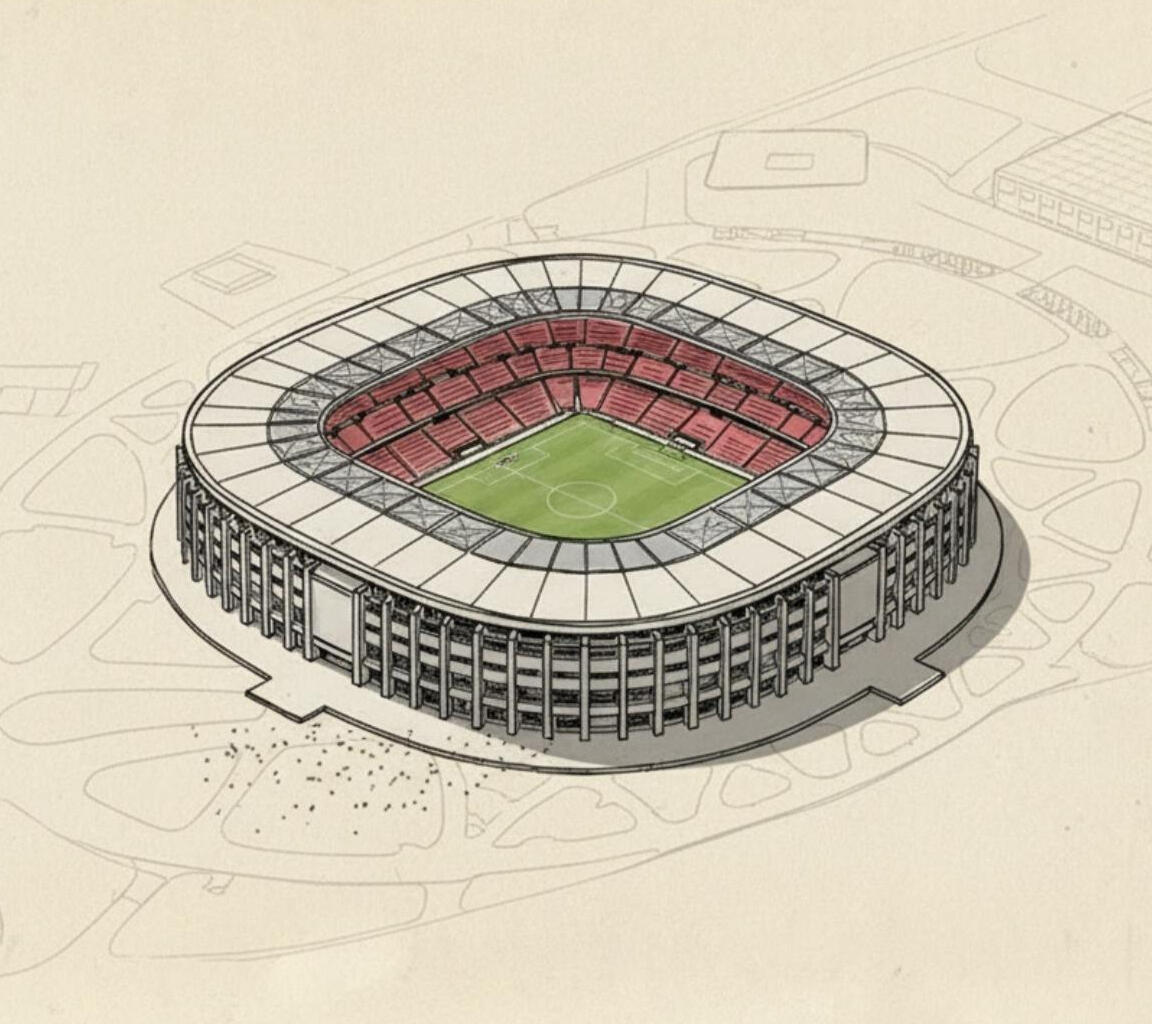
Matches will be staged in 16 modern arenas, ranging from iconic venues such as Mexico City’s Estadio Azteca to modern NFL stadiums like SoFi Stadium in Los Angeles and AT&T Stadium in Dallas.
Canada Stadiums
BMO Field, Toronto
BMO Field sits at Exhibition Place on Toronto’s waterfront, a short ride from downtown and close to hotels, bars and entertainment areas. The stadium is home to Toronto FC and the Canadian men’s national team, giving it a strong football identity heading into 2026.Redevelopment for the World Cup has increased capacity to around 45,000 to 45,700, with temporary seating added to meet FIFA requirements. Public transport access is strong, with streetcars and regional trains linking Exhibition Place to the city centre and major transport hubs.
BC Place, Vancouver
BC Place is located in downtown Vancouver, overlooking False Creek and within walking distance of hotels, restaurants and nightlife. It regularly hosts the Canadian national team and is home to the Vancouver Whitecaps.The stadium is known for its retractable roof and cable-supported design, which creates a bright interior even in poor weather. World Cup capacity will be around 54,000, placing BC Place firmly in the mid-sized category of 2026 venues.
Mexico Stadiums
Estadio Azteca, Mexico City
Estadio Azteca will become the first stadium in history to host World Cup matches at three tournaments, having previously staged games in 1970 and 1986. It is located in the south of Mexico City, with road and public transport links serving the wider metropolitan area.Home to Club América and the Mexican national team, the stadium will have a World Cup capacity of around 83,000 following upgrades. Its steep stands and intense atmosphere make it one of the most famous venues on the 2026 schedule.
Estadio BBVA, Monterrey
Estadio BBVA, known as The Steel Giant, stands in Guadalupe on the edge of Monterrey, with views of Cerro de la Silla from one end. It is home to C.F. Monterrey and is recognised for its steep seating bowl that keeps supporters close to the pitch.World Cup capacity will be just over 51,000, with a focus on hospitality areas and modern facilities. Fans will reach the stadium by road and public transport from central Monterrey, with the venue tied into wider urban development plans.
Estadio Akron, Guadalajara
Estadio Akron is located in Zapopan, part of the Guadalajara metropolitan area, and is built into a sloping parkland setting. It is home to Chivas de Guadalajara and also serves as a major cultural venue.The stadium will host around 48,000 spectators during the World Cup and is known for its PTFE roof, which creates a cloud-like effect while allowing natural light onto the pitch. Most visitors travel by road or bus from central Guadalajara.

USA Stadiums
AT&T Stadium, Dallas (Arlington)
AT&T Stadium is located in Arlington between Dallas and Fort Worth, around 20 to 25 miles from downtown Dallas. It is mainly accessed by road and is home to the Dallas Cowboys.With a World Cup capacity of around 94,000, it is one of the largest stadiums in the tournament. Its retractable roof, climate-controlled interior and huge central video board make it one of the most advanced venues in use.
MetLife Stadium, New York / New Jersey
MetLife Stadium sits in East Rutherford, New Jersey, around eight miles from Manhattan, with rail and road links to New York City. It is home to the New York Giants and New York Jets.Capacity will be around 82,500, and the stadium is scheduled to host the World Cup final. Its location near major transport hubs makes it one of the most accessible venues for international supporters.
Mercedes-Benz Stadium, Atlanta
Mercedes-Benz Stadium is just west of downtown Atlanta, within walking distance of MARTA rail stations. It is home to the Atlanta Falcons and Atlanta United.The stadium features a retractable pin wheel roof and a circular halo video board. World Cup capacity will be around 75,000, with group matches and a semi-final set to take place there.
Arrowhead Stadium, Kansas City
Arrowhead Stadium is part of the Truman Sports Complex, about eight miles east of downtown Kansas City, and is mainly accessed by car. It is home to the Kansas City Chiefs.World Cup capacity will be roughly 73,000 after upgrades. The stadium is famous for its noise levels and will see improvements to concourses and fan areas ahead of the tournament.
NRG Stadium, Houston
NRG Stadium is located around five miles southwest of downtown Houston and is served by the MetroRail line. It is home to the Houston Texans.The retractable roof allows for climate-controlled matches during the summer, with World Cup capacity set at around 72,000. Rail access and park-and-ride facilities make it one of the easier U.S. venues to reach without a car.
SoFi Stadium, Los Angeles (Inglewood)
SoFi Stadium is in Inglewood, close to Los Angeles International Airport and around 10 to 12 miles from downtown LA. It is home to the Rams and Chargers.The stadium’s translucent roof and open sides create an indoor-outdoor feel, while a large oval video board hangs above the field. World Cup capacity will be about 70,000, with the option to expand for certain matches.
Levi’s Stadium, San Francisco Bay Area (Santa Clara)
Levi’s Stadium is located in Santa Clara, roughly 40 miles south of downtown San Francisco. It is home to the San Francisco 49ers.Capacity will be around 71,000, and the stadium is known for its environmental features, including a green roof. Fans typically arrive via Caltrain, light rail and shuttle services from across the Bay Area.
Lumen Field, Seattle
Lumen Field sits just south of downtown Seattle, close to rail services and the city’s main transport links. It is home to the Seattle Seahawks and Seattle Sounders FC.World Cup capacity will be around 69,000 to 70,000. Its steep stands and roof design are known for amplifying crowd noise, while the central location makes it easy to reach on foot or by public transport.
Lincoln Financial Field, Philadelphia
Lincoln Financial Field is located in South Philadelphia’s stadium district, around three miles from the city centre and served by subway lines. It is home to the Philadelphia Eagles.Capacity for 2026 will be close to 69,000, with upgrades aimed at improving fan areas and hospitality spaces. Its position among other game venues makes it a natural meeting point for supporters.
Gillette Stadium, Boston (Foxborough)
Gillette Stadium is in Foxborough, around 25 to 30 miles from downtown Boston. Most fans travel by car or on special event trains.World Cup capacity will be around 65,000, with renovations adding new concourses and features ahead of 2026. Organised transport and park-and-ride options will support travel from Boston and nearby cities.
Hard Rock Stadium, Miami (Miami Gardens)
Hard Rock Stadium is located about 13 miles north of downtown Miami and is mainly accessed by highway and shuttle services. It is home to the Miami Dolphins.The stadium will host matches with a capacity of around 65,000. Its canopy roof provides shade for most seats while keeping the pitch open, and its location between Miami and Fort Lauderdale offers a wide choice of accommodation.
Other Key US Venues Summary
Levi’s Stadium in Santa Clara will host around 71,000 fans and is home to the San Francisco 49ers.
AT&T Stadium in Arlington will host around 94,000 and is home to the Dallas Cowboys.
MetLife Stadium in East Rutherford will host around 82,500 and is home to the Giants and Jets.These NFL-first venues will be adapted with temporary seating, pitch changes and football-specific layouts to meet FIFA standards.

2026 Group Format & Structure
The 2026 World Cup will feature 48 teams, a new group format and a clear structure for where the biggest knockout football matches will be played. This makes it easier to explain how the tournament works in a 500 to 1000 word overview section. Many major football nations have already qualified, and venues in Los Angeles, Miami, Boston, Kansas City, Dallas, Atlanta and New York / New Jersey are set aside for the key stages of the competition.Qualified teams so farBy late 2025, 42 of the 48 places had already been confirmed, with only a small number of European and intercontinental play-off spots still undecided. Hosts USA, Canada and Mexico qualify automatically and are joined by teams from every confederation, including UEFA, CONMEBOL, CAF, AFC, CONCACAF and Oceania.Europe provides the largest group of teams. England, France, Germany, Spain, Portugal, Netherlands, Belgium and Croatia are already confirmed, along with Scotland, Switzerland, Austria and Norway. South America sends Argentina and Brazil, joined by Uruguay, Colombia, Ecuador and Paraguay. Africa’s qualifiers include Morocco, Senegal, Ivory Coast, Egypt, Algeria, Ghana, South Africa, Tunisia and Cape Verde. Asia’s eight places are taken by Japan, South Korea, Australia, Iran, Saudi Arabia, Qatar, Uzbekistan and Jordan. New Zealand once again represents Oceania, while Panama, Curacao and Haiti join Mexico, the USA and Canada from the CONCACAF region.Group stage structure and venuesThe expanded tournament uses a 12 group format. The 48 teams are drawn into 12 groups of four, with each team playing three matches in a round-robin system. Teams receive three points for a win and one for a draw. If sides finish level on points, head to head results, goal difference and goals scored are used to separate them.From the group stage, 32 teams move on to the knockouts. This includes the top two teams from each group, a total of 24, plus the eight best third placed teams. This approach is similar to the format used at recent European Championships. Group matches are spread across all 16 host cities, ensuring every venue hosts several games and giving fans across Canada, the USA and Mexico a chance to see a wide mix of teams.Knockout format and bracketOnce the group stage ends, the tournament moves into a straight knockout format, starting with a round of 32 and ending with the final. Group winners are seeded so they avoid each other in the first knockout round and are kept away from teams they have already faced where possible.The only flexible part of the draw involves the third placed teams. Their exact positions depend on which groups they come from, with many possible combinations already planned by FIFA. From the round of 32 onwards, every match is decided on the day. If scores are level, extra time and penalties are used, creating more high pressure matches than in previous 32 team World Cups.Stadiums for the decisive matchesFIFA has already confirmed which stadiums will host the biggest knockout games, creating a clear top tier of venues within the wider stadium list.The four quarter-finals will be played at SoFi Stadium in Los Angeles, Hard Rock Stadium in Miami, Arrowhead Stadium in Kansas City and Gillette Stadium in Foxborough near Boston. Hard Rock Stadium will also host the third place play-off.The semi-finals are reserved for two of the largest indoor-capable venues. AT&T Stadium in Arlington will stage one semi-final, with the other played at Mercedes-Benz Stadium in Atlanta. Both are among the biggest and most modern stadiums in the tournament.The final will be held at MetLife Stadium in East Rutherford, referred to by FIFA as New York New Jersey Stadium, on 19 July 2026. With a capacity of just over 80,000 and easy access to transport, hotels and airports, it is set up as the centrepiece of the tournament, much like Lusail Stadium in 2022 and the Maracanã in 2014.
© All rights reserved.